
NORVIC
01
International Hospital
Celebrating 31 years of Compassionate Care
/
03

NORVIC
02
International Hospital
Celebrating 31 years of Compassionate Care
/
03
03
International Hospital
Celebrating 31 years of Compassionate Care
/
03
NORVIC

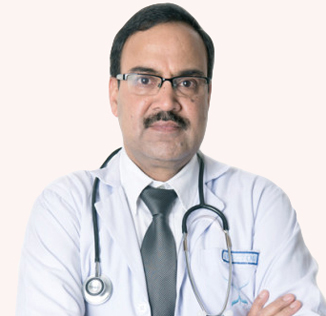
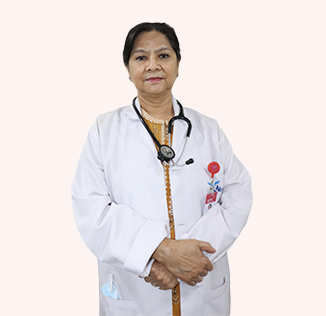
Prof. Dr. Ramesh Chokhani
Sr. Consultant Pulmonary & Critical Care Specalist
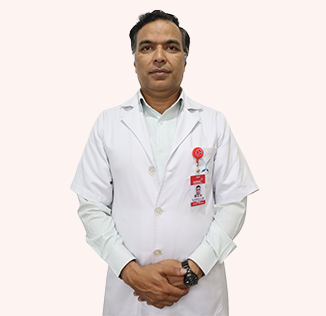
Prof. Dr. Achala Vaidya
HOD Obstetrics & Gynaecology
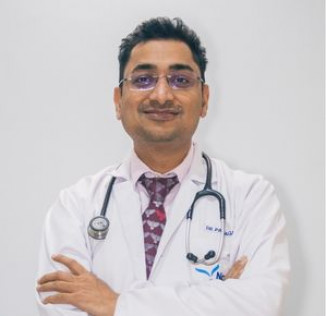
Prof. Dr. Mukund R. Joshi
Chief Consultant General Surgeon
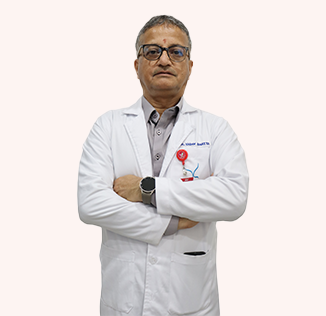
Dr. Pankaj Jalan
Medical Director / Consultant Neurologist
Prof. Dr. Yadav Kumar Deo Bhatta
HOD Cardiology, Sr. Consultant
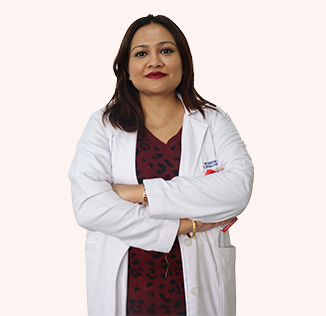
Dr. Shirapa Bajracharya
Consultant Dermatologist
The professional medical treatment by the doctors was incredible and the empathy and care of the nursing staff were great. I can’t thank the whole team of Norvic International Hospital more.

Prof. Dr. Rajiv Jha and his team helped me to walk again as I was suffering from Disc Collapse. I am grateful to the Doctor and team of Norvic International Hospital. Furthermore, I would like to thank the team of Nurses who took care of me like a baby.

I am grateful to the hospital staff, I received professional care and attention during 3 days. The Nurse and doctor were very professional and the room was very clean. Thank you!

I have been taken care so well in those four days in Norvic International Hospital. The nurses are polite and gave all the attention i needed. I would like to thank all the staff for taking care so well of me. Thank you all folks.

From the minute we arrived into Ambulance and Emergency to the minute we were discharged, we have been look after perfectly. Also, the food we ordered was very good. Thank you to all the staff for looking after us for five days.

I was admitted to Norvic Hospital for a period of 2 days. I was diagnosed with dengue. The staff in the ER immediately took care of my needs. Once I was transferred to the room the nursing staff doctors were very attentive. Overall my experience was excellent. Not such a bad experience for being first time hospitalized in my life. Thank you so much to all the hospital staffs. You helped me get better.

The level of service and care I received at Norvic International Hospital is exceptional. Every aspect was perfect. The doctors were prompt and precise and the nurses were extreme lovely and knowledgeable. Australian hospitals can learn a lot from how they operate here at Norvic International Hospital. Thank you very much.

Hello! Everybody, I am Madis Avi. My stay on the Norvic International Hospital is so good. All the staffs and nurses are very good and cooperative. I feel like I am in my own home. I admitted in this hospital for 4 days and they treated me very well. The treatment I got during my stay was perfect and fast.

Great and outstanding care during my stay. Outstanding service, attentive, professional and indeed awesome International Hospital. Excellent atmosphere and cleanliness everywhere throughout the hospital,.